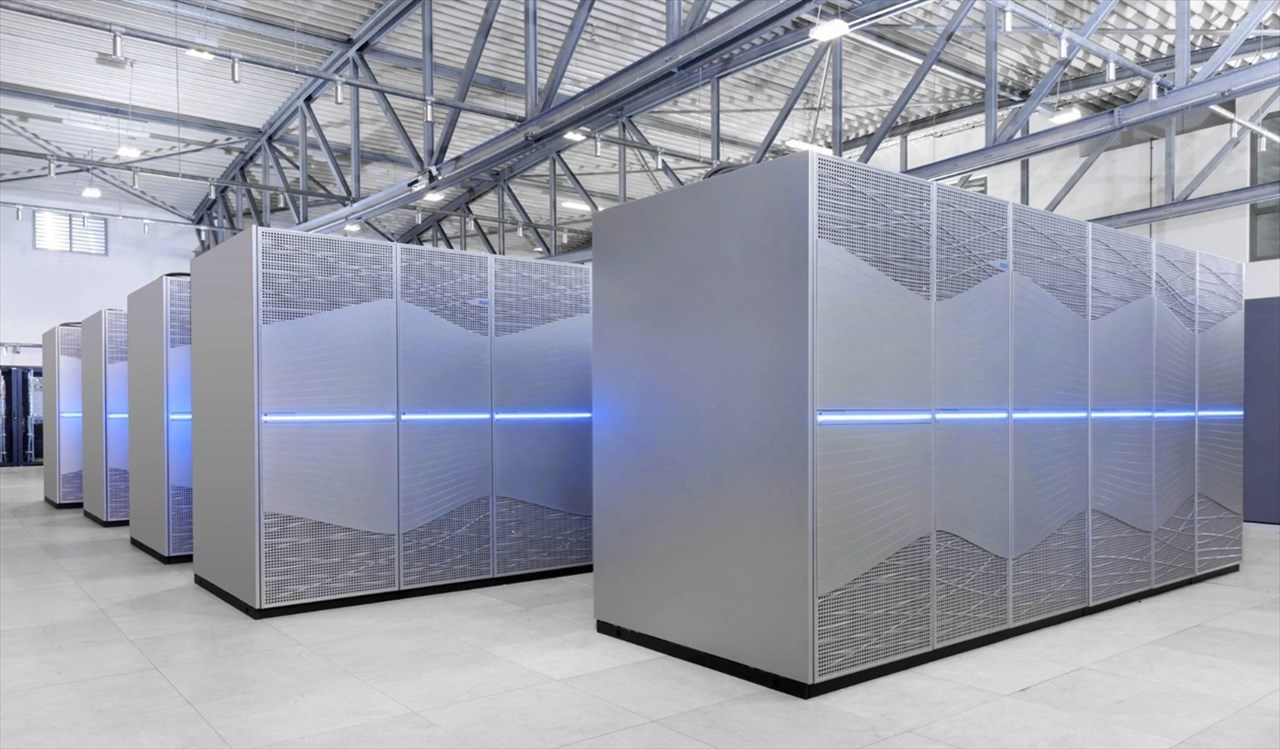
Algeria's post and telecommunications minister laid the foundation stone for a government-owned AI data centre in the Akid Lotfi district of Oran. No capacity or cost figures were released; the facility is meant to give researchers, startups and universities access to AI compute. The government says it expects AI to contribute 7% of GDP by 2027.
South African investor INFRAGORA Global Capital plans two Tier III+/IV AI-ready data centres in Nigeria under its AFRIDATA platform, costing US$650 million to US$1 billion, with 80MW to 100MW of initial capacity and construction from Q2 2027. A 160MW to 200MW gas, renewables and battery plant from sister company Ocha Energy would supply them, and USTDA is funding a feasibility study. Investors, funding secured, tariffs and a financial close date were not disclosed.
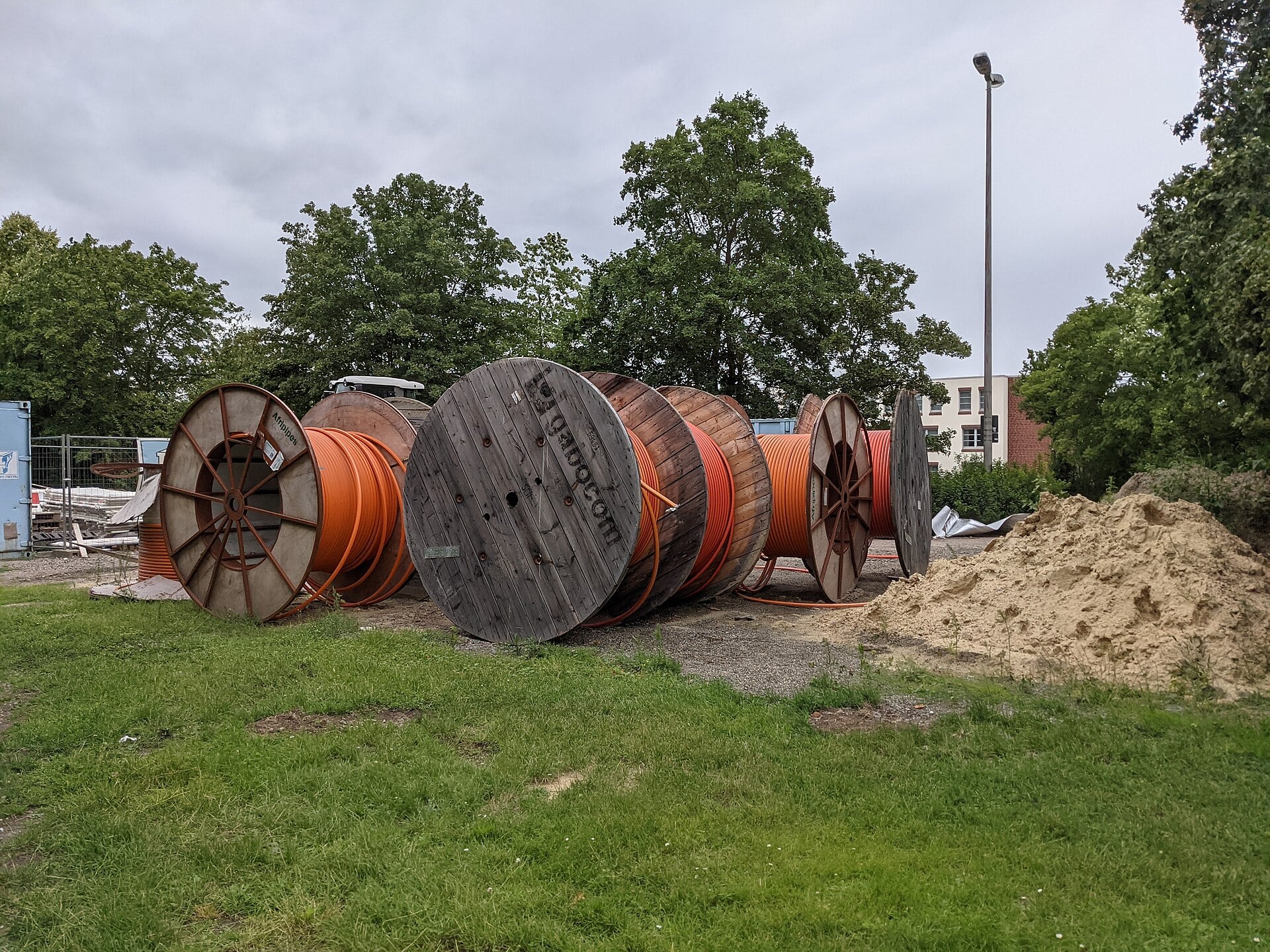
Mali's state transmission company SMTD-SA and Sénégal Numérique SA switched on a fibre interconnection between their national backbones at the Kidira-Diboli border crossing on 5 October 2026, giving the landlocked country another path to subsea cables, which Malian authorities say runs via Cabo Verde and Portugal. Ecofin sets this against World Bank findings from 2023: Mali already had 12 cross-border fibre links through seven exit points, yet 29 of its 57 cercles and 130 of 704 secondary towns were not connected to the national backbone, which SMTD puts at 3,500km. The new route adds resilience at the border, while reach inside the country remains the weak point.
Teraco, controlled by Digital Realty, is buying vacant industrial land with existing substation infrastructure in Brackenfell, next to its 50MW CT2 campus. The Competition Commission has recommended unconditional approval, with the Tribunal still to rule. The price was not disclosed and Teraco says it has not settled plans for the site.
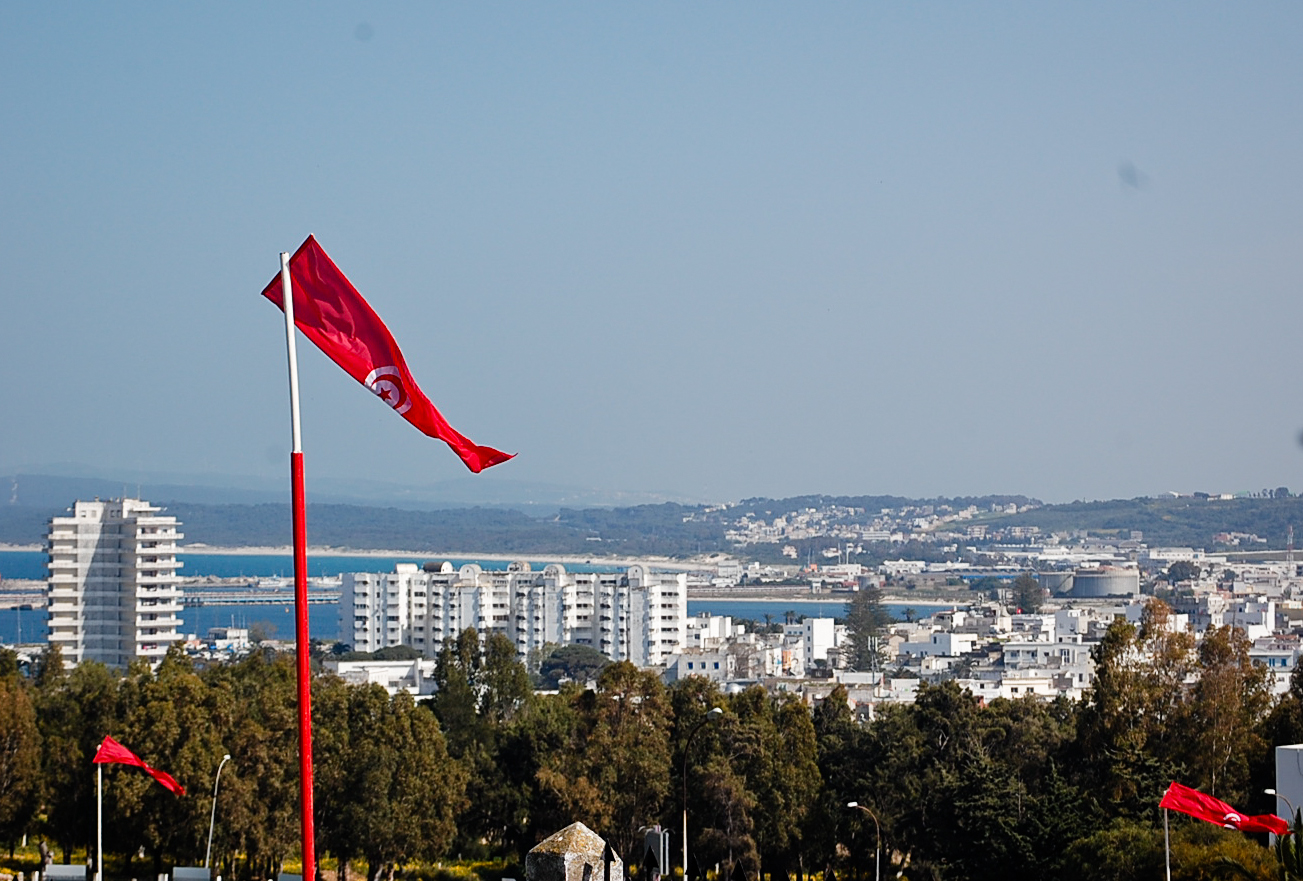
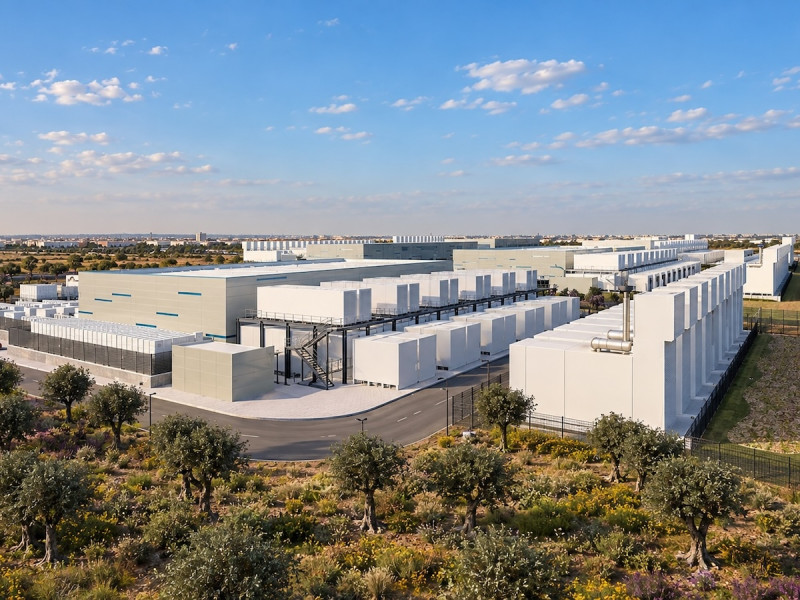
London-based SoleCrypt announced at NVIDIA GTC Berlin a 40MW AI and HPC campus in Bizerte, targeting operations in 2028. Phase 1 is 7MW built around NVIDIA HGX Rubin NVL8, with up to 1,728 GPUs, and the company says power will come from a dedicated 60MW solar and battery project in Tozeur feeding the national grid. The site sits 3.6km by fibre from the Medusa cable; Schneider Electric, Supermicro and Sterling & Wilson are among named partners, and no cost was disclosed.
Uganda's ICT ministry has launched a National Data Strategy for 2026/27 to 2030/31, developed with UN Global Pulse and UNDP, that targets two Tier IV data centres with 10 petabytes of combined sovereign storage by 2030/31. It also aims to raise government platforms linked through the Ug-Hub integration layer from 135 to 300. The plan is costed at shs1,662.6 billion over five years, funded mainly through government budgets plus partner support and private co-investment, and is meant to lay groundwork for a national AI strategy.
Enterprise estimates Egypt's installed data centre IT load at 15 to 60MW, with only about 20MW of new capacity firmly committed against 400 to 500MW of unfunded plans, as officials aim to finish a first national data centre strategy by end-2026. It argues Gulf insecurity after strikes on regional data centres may favour Egypt, but flags gas-dependent power, US approval for Nvidia chips and data protection guarantees as hurdles. The Electricity Ministry expects the telecom sector to need about 1GW over two years.
The Medusa subsea cable made its first Libyan landing in Benghazi on 17 October 2026, with a second landing planned for Tripoli. Private Benghazi operator O3 Group used the occasion to set out plans for a 12,000-13,000km national fibre network and a Tier III data centre with 160-plus racks, about 2MW expandable to 5MW. The outlet notes that apart from the landing, the figures are design targets rather than built capacity.
Burundi's Council of Ministers adopted a national cybersecurity strategy on 14 October 2026, covering protection of critical infrastructure, a legal and institutional framework and a national incident response team. The strategy had been drafted with World Bank PAFEN support and was awaiting approval as of December 2025. Burundi scored 16.77 out of 100 in the ITU's 2024 Global Cybersecurity Index, with zero on technical and organisational measures.
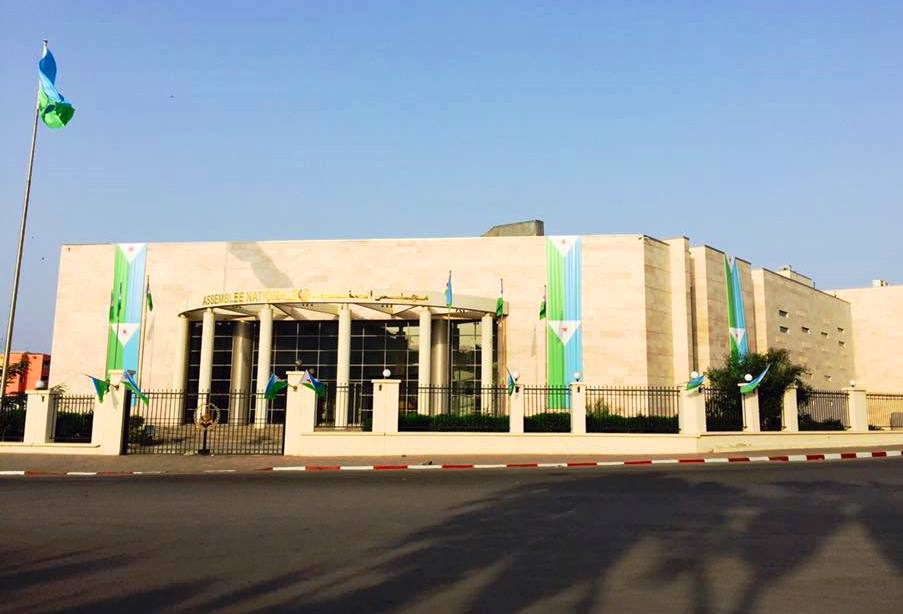
LinkWise's US$1.35 billion integrated project in Djibouti, announced in July 2026 under an MoU with the government, includes a high-performance AI computing centre, a digital industrial park, telecoms infrastructure, international data corridors and renewable generation. Officials expect about 2,000 construction jobs and 500 to 700 skilled posts once operating, and the labour minister met the company on 14 October on local hiring and training. No compute or power capacity has been disclosed, and the project remains at MoU stage.
FiveNines Group will lead design management and permitting preparation for a 20MW AI data centre on the outskirts of Casablanca for Nexus Core Systems, built on NVIDIA's Vera Rubin NVL72 reference architecture. The facility is the first block of the 180MW AI factory that Nexus agreed with Moroccan agencies in April 2026 and plans to deliver next year. Investment for the 20MW phase was not stated.
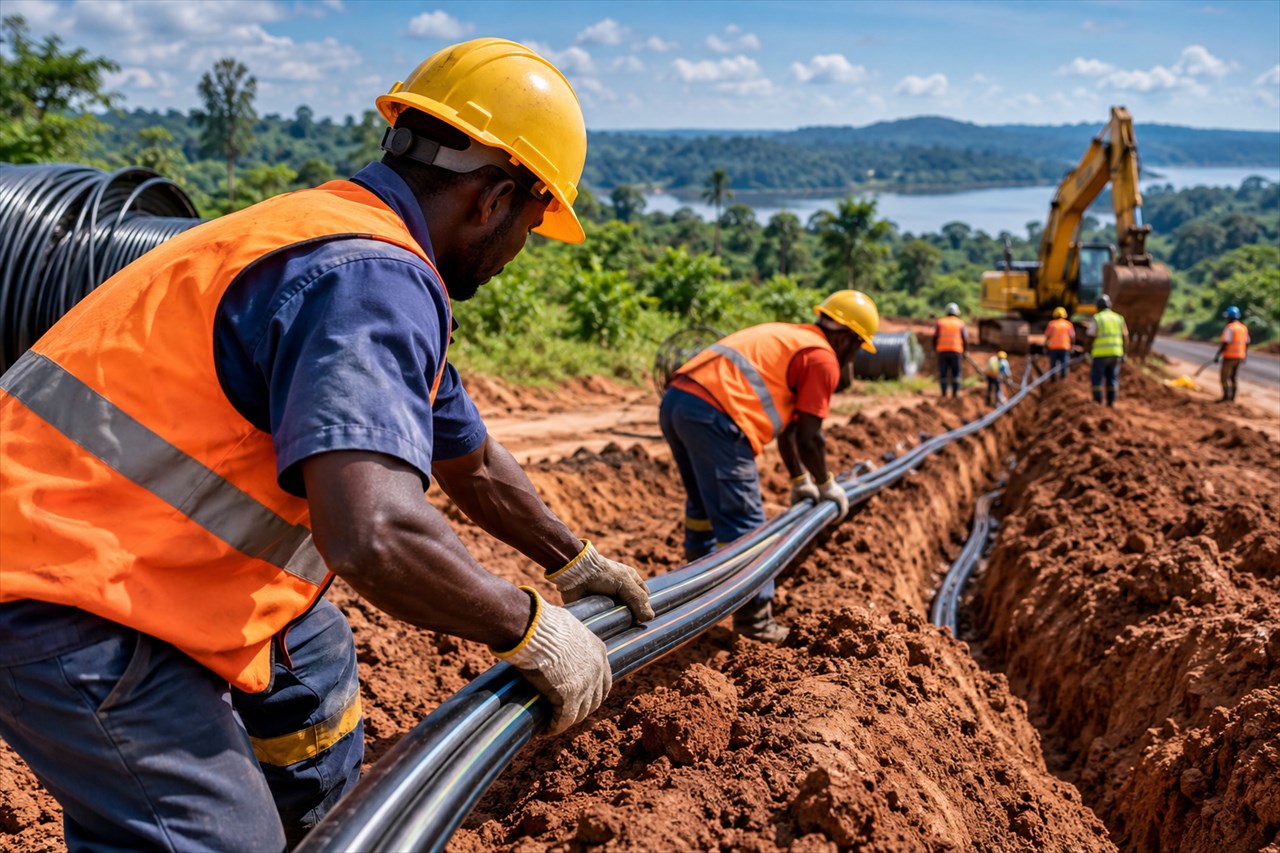
On 8 October 2026 the Central African Republic revived a plan to connect to DR Congo's fibre, which runs about 650 km from Kinshasa to the WACS landing at Moanda, to reduce its reliance on routes through Cameroon and Congo. Route, cost and timeline were not given. CAR's 935 km national backbone dates from February 2023, and internet penetration was about 12% at end 2025.
Equinix's two planned hyperscale data centres at King Air Industria Park, part of a R7.5 billion South African plan, are on hold after appeals by Foxglove, the SAHRC and community groups suspended the city's approval in September. Cape Town mayor Geordin Hill-Lewis, as planning appeals authority, will decide. Equinix has not disclosed the sites' water or power needs.
Niger was set to open its fibre link with Algeria on 5 October 2026 at Assamaka on the border, giving the landlocked country a northern route onto Algerian international capacity along the Agadez to Assamaka corridor of the Trans-Saharan backbone. Niger's share of the backbone is 1,031km on five routes plus an 88km urban loop connecting government sites to a planned Tier III national data centre. Its existing southern path through Benin reaches three subsea systems with about 580 Gbit/s of combined installed capacity at end-2024.
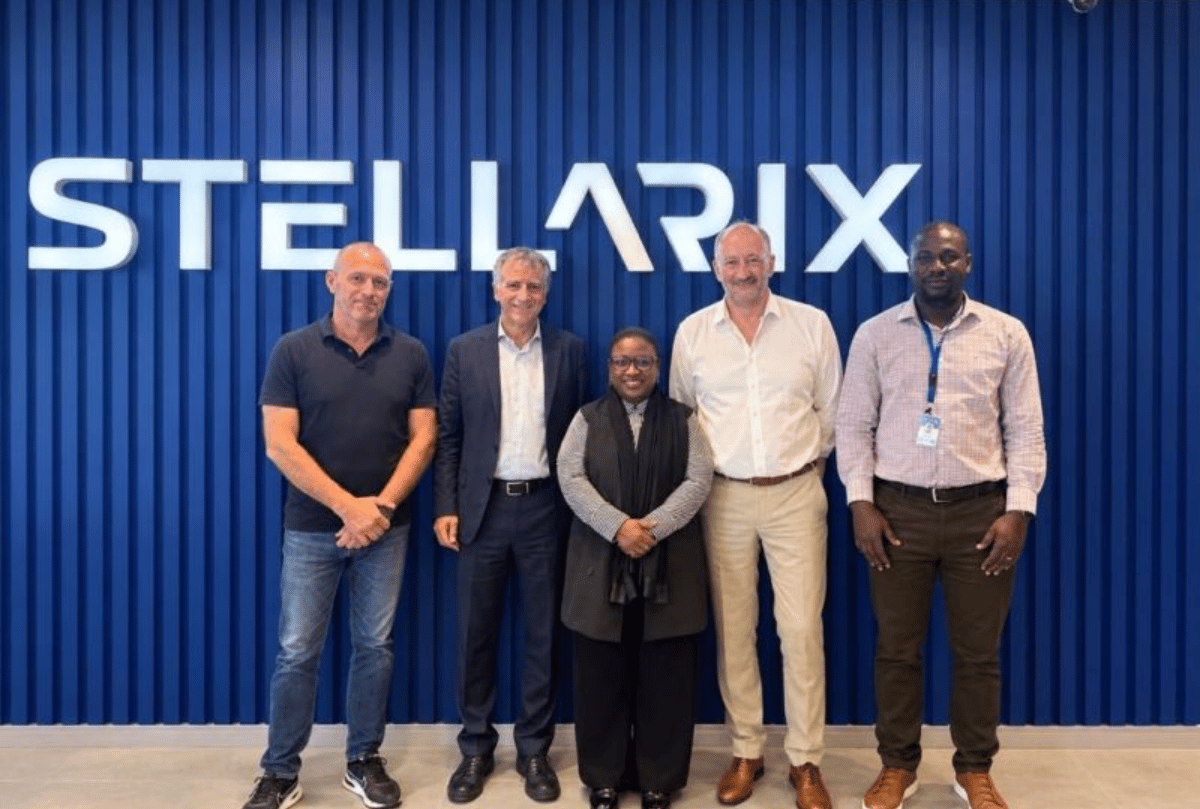
Stellarix, the data centre business of the Axian Group, has added capacity at its Senegal facility, pitching it at sovereign cloud, AI workloads and enterprise hosting. Snef, SERTEM Groupe and Kent Data Centres worked on the build. The announcement gives no megawatt, investment or timing figures, so the scale of the expansion is undisclosed.
Angola Cables is fitting Ciena WaveLogic 6 Extreme optics to its SACS (6,165 km, Angola to Brazil) and MONET (10,556 km, Brazil to the US) systems, enabling 800 Gb/s services and capacity sold from 100 Gbps up to a full fibre pair. The company quotes a 130 ms round trip between Angola and the United States. It is pitching the upgraded route to hyperscale, cloud, wholesale and content customers, along with spectrum and managed fibre offerings.
Liberia is looking for investors in a national data centre, which it pitched at a recent investor dialogue in New York, but participants questioned whether the grid can power it. The country had 126MW of installed generation in 2024, about 70% of it hydro, and 32.5% electricity access per World Bank data, and Mount Coffee output falls in the dry season. Posts and Telecommunications Minister Sekou M. Kromah said feasibility studies will set the approach; no site or investment model has been chosen.
Cabo Verde Telecom and exchange operator DE-CIX signed a letter of intent to study a South Atlantic interconnection corridor between Lisbon and São Paulo, with CVTelecom supplying transport capacity and DE-CIX its exchange ecosystems in Europe and the Americas. CVTelecom would gain access to DE-CIX in Frankfurt, Madrid, Marseille, New York and São Paulo; scope and commercial terms await a definitive agreement, and no dates were given.
Intro Group will put nearly US$270m into the first phase of the 80MW Kemet Data Center in the Suez Canal Economic Zone, which it intends to be the zone's first Tier III facility. According to the ICT ministry, engineering designs are finished and supply contracts for equipment and systems have been signed. No dates were given for later phases.
Congo's national data centre in Bacongo, Brazzaville, built by China's Sumec, is now promised by end 2026 after work stopped in October 2025 at about 95% complete because the state ran short of funds. The building is designed to Tier III-level availability (99.98%), with three 3,000 kVA generators giving 72 hours of autonomy and a hybrid grid and solar supply under study. It belongs to the Central African Backbone programme, a CFA43.65bn envelope co-financed by the AfDB and the Congolese state.
A World Bank Group private sector diagnostic estimates Djibouti could draw up to US$240 million and 1,300 jobs in data centre investment, plus up to US$390 million in private solar, if it fixes regulation, energy supply and market access. The country hosts up to eight subsea cables but only two data centres, both close to full, with three more in development. The barriers named are opaque licensing (decrees under the 2025 Digital Code are still unclear), self-generation caps and electricity pricing, and a state-owned entity's grip on wholesale internet capacity.
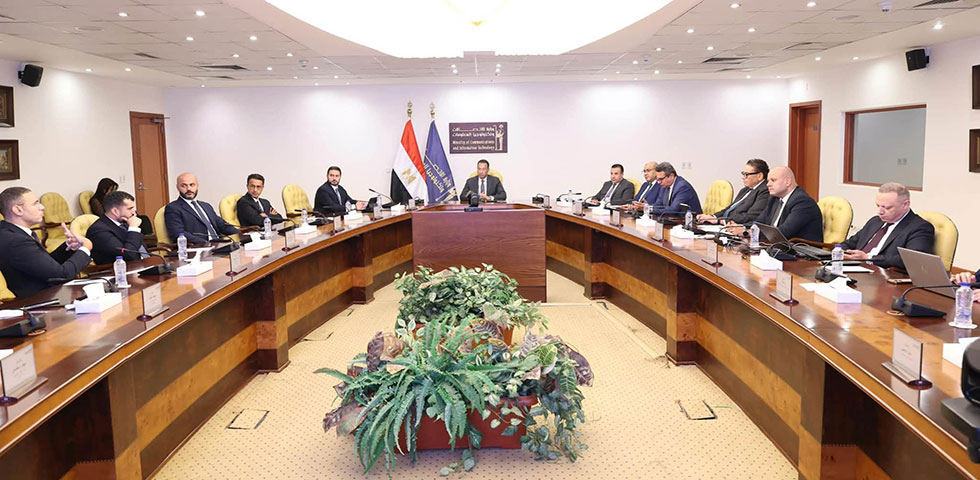
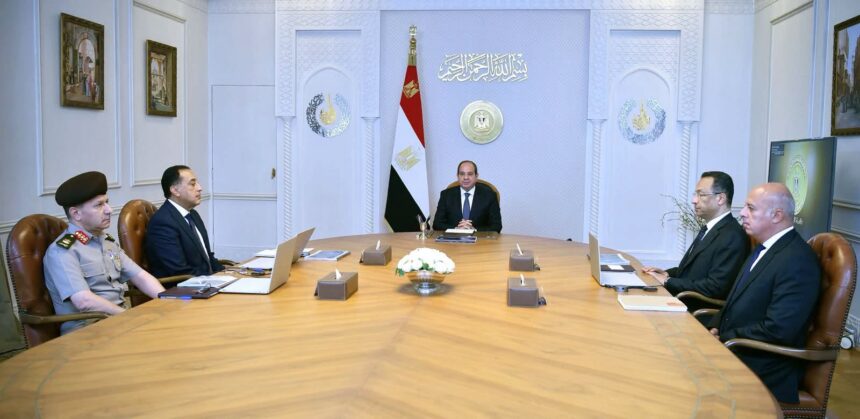
President Al-Sisi directed more investment in cloud and AI and an expansion of large-scale data centres, alongside a wider 5G rollout and steps to reduce concentration risk in communications networks. The meeting set targets of $8bn in digital exports by 2028 and $12bn in digital outsourcing exports in 2029, and reviewed the Karnak Arabic-language AI programme. No data centre capacity or budget was announced.
Communications minister Solly Malatsi told Parliament the National Data and Cloud Policy was designed to give multinationals the certainty to invest in data centres, with incentives handled by the trade department. He said closer work with host municipalities is needed to avoid delays that could deter investment. President Ramaphosa had said in July that hyperscalers have put well over R35.8 billion into local cloud and data centres.
Chad's telecoms minister told the World Bank on 15 September 2026 that the country needs about 8,000 km more fibre, and that six provinces are still off the national backbone. Since the conflict in Sudan cut the eastern link, Chad's only working international exit runs through Cameroon. The report notes that the 1,200 km in the state modernisation programme is planned capacity rather than installed cable, and that a World Bank project with about US$92.2m in grants runs to 2029.
Nigeria's digital economy minister Bosun Tijani visited N'Djamena on 16 September 2026 to discuss linking Chad to Nigeria's planned 90,000 km open-access BRIDGE fibre network, which would give Chad access to international capacity landing at Lagos. The two sides signed a joint communiqué and handed details to technical teams. No financing was mentioned.
The Ethiopian Artificial Intelligence Institute is courting high-performance computing, cloud and AI infrastructure on the strength of cheap renewable power: the country has 9,760MW installed, about 96% hydro, with 5,150MW at GERD alone. The analysis notes that existing facilities from Raxio and RedFox at the Ethio ICT Park are far below hyperscale, that being landlocked leaves Ethiopia without direct subsea cable access, and that no major hyperscaler has publicly committed. It frames the push as positioning rather than a secured investment pipeline.
The Competition Tribunal approved an AIIM-managed vehicle's purchase of an interest in JNB11, Vantage's 16MW hyperscale facility on its R15 billion, 80MW Waterfall campus in Midrand. AIIM, owned by Old Mutual Alternative Investments, already backs fibre operators Octotel and MetroFibre. The report leaves unclear whether the deal covers a 50% stake or only the property company's share, and no price was given.
Ethiopia's state utility has throttled electricity to bitcoin miners in stages, first to 75%, then 50% and later 23% of contracted supply, after El Niño-linked drought cut inflows to hydro reservoirs by 20%, according to CEO Ashebir Balcha. Miners use almost a third of the country's 9,730MW output and supplied 35% of Ethiopian Electric Power's revenue last financial year; the utility holds PPAs with 39 mining firms, 31 of them operating. It will reassess in October, may curb power exports further, and has cut its export revenue forecast by 40% to US$279 million.
Somaliland Cable (Somcable) operates both the 2Africa and PEACE subsea landings at Berbera and is tying them into terrestrial fibre toward Ethiopia and South Sudan, pitching Berbera as an alternative gateway to Kenya's Mombasa for landlocked markets. The company says the two physically separate subsea routes give it a technical edge, and it has opened talks with Ethio Telecom on larger international capacity leases. No distances, capacities or investment values were given.
US firm Cybastion announced in Washington on 14 September 2026 about $300m for Senegalese digital infrastructure, covering data centre development, cybersecurity, technology transfer and skills, after its CEO met President Bassirou Diomaye Faye. The pledge builds on a July 2026 agreement with the Ministry of Digital Economy under which Cybastion leads a consortium of US technology firms, and local start-ups are to take part in delivery. The company already leads construction of Côte d'Ivoire's national data centre.
Côte d'Ivoire's first state-owned national data centre, under construction in the VITIB zone at Grand-Bassam, is reported on track to open in 2027 with 1.73MW of IT load, 3MW of total power, 228 racks and 10PB of storage. Washington-based Cybastion leads the build with Ivorian contractor Porteo Group and Cisco, HPE and Schneider Electric as technology partners, backed by a $66.1m US EXIM guarantee approved in August 2025 within a $170m package. Construction had passed 20% by December 2025, and the site joins a private market that already includes Equinix, PAIX, Stellarix, Raxio and ST Digital.
Gabon plans 1,651 km of new fibre, close to doubling its national backbone, under a public-private partnership between asset holder SPIN and Gabon Fiber S.A. validated at Libreville workshops and due for signature on 14 September 2026. Authorities put current international capacity across 2Africa, ACE, Maroc Telecom West Africa and SAT-3/WASC systems at 20 terabytes, rising to 400 with Medusa Africa by 2028. An August fibre cut across four provinces and rising cable theft underline resilience problems.
Communications and IT Minister Angela Kairuki says Tanzania intends to build AI data centres and is seeking international partners for infrastructure, skills and financing, citing clean electricity and adequate water as advantages. She spoke at the 2026 KOAFEC ministerial conference in Seoul, where about US$2.5 million has been secured through the South Korea partnership, including support for a digital technology university at Nala in Dodoma. No site or budget for the AI data centres was given.
Telekom Networks Malawi has bought the OCL data centre in Kanengo, Lilongwe, to expand its enterprise offering, including data centre as a service. The operator says the facility will also carry its Mpamba mobile money platform and planned AI services. Neither the price nor the site's capacity was disclosed.
Digital Parks Africa, part of the Master Power Technologies group, announced Nigeria Data Centre 1, a carrier-neutral Lagos facility for banks, cloud and connectivity providers, at ITW Africa on 8 September 2026; capacity, cost and timeline were not disclosed. The report sets it against a Lagos pipeline of about 146MW and a Central Bank of Nigeria directive that payment data generated in Nigeria be stored locally, with full compliance due on 1 January 2027.
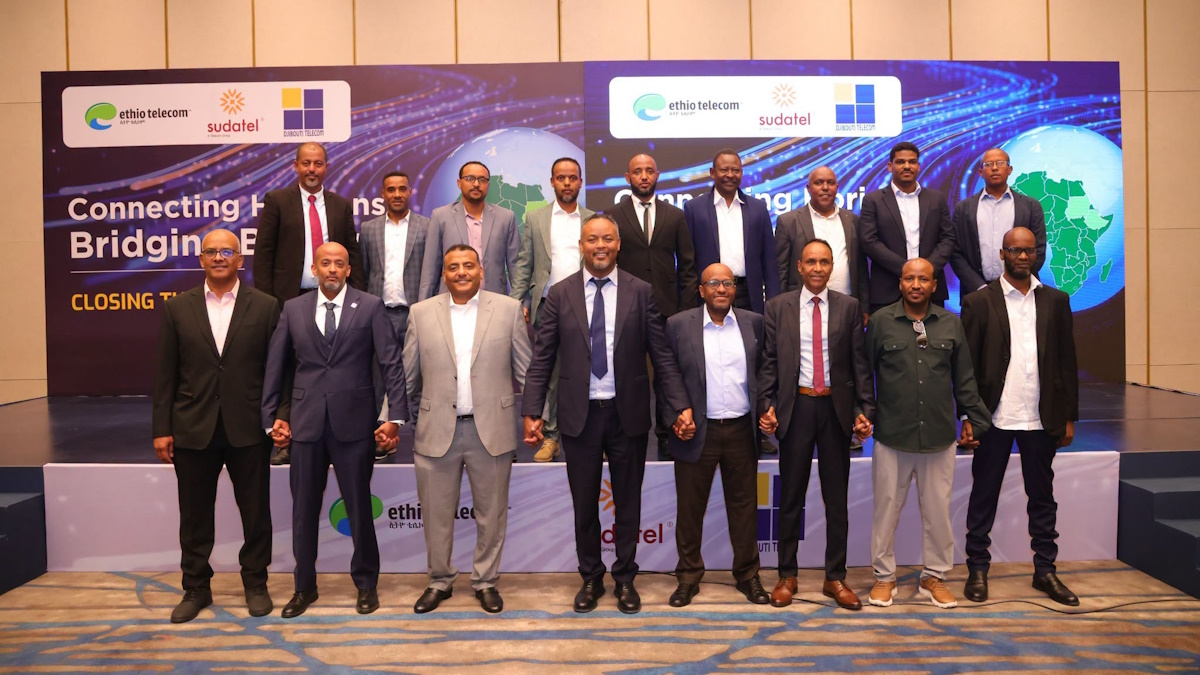
Ethio Telecom, Djibouti Telecom and Sudatel are moving the Horizon Fibre terrestrial corridor toward commercial launch after a stakeholder meeting in Addis Ababa attended by Google, Meta, Microsoft, AWS, Airtel Africa, WIOCC, China Mobile International and others. The multi-terabit route links subsea landing stations in Djibouti and Port Sudan through Ethiopia, offering carriers and hyperscalers an overland alternative to the Red Sea path. Ciena, Nokia and BringCom are advising on the architecture; route length and a build timeline were not given.
On 8 September 2026 Equatorial Guinea's government gave the telecom regulator ORTEL control of Starlink's commercial operations, under the state secretariat for artificial intelligence, after months of talks with SpaceX over licence fees, tax, security requirements and a possible local entity. Licence terms, ORTEL's operating role and the tax regime have not been published.