US firm Cybastion plans to invest US$75m in Douala in a sovereign data centre paired with its own power plant, according to the US Embassy, which announced it on 27 August at the first US-Cameroon bilateral economic dialogue. It was one item in a US$7bn package of American investment and trade announcements. Capacity, size and timeline have not been published.
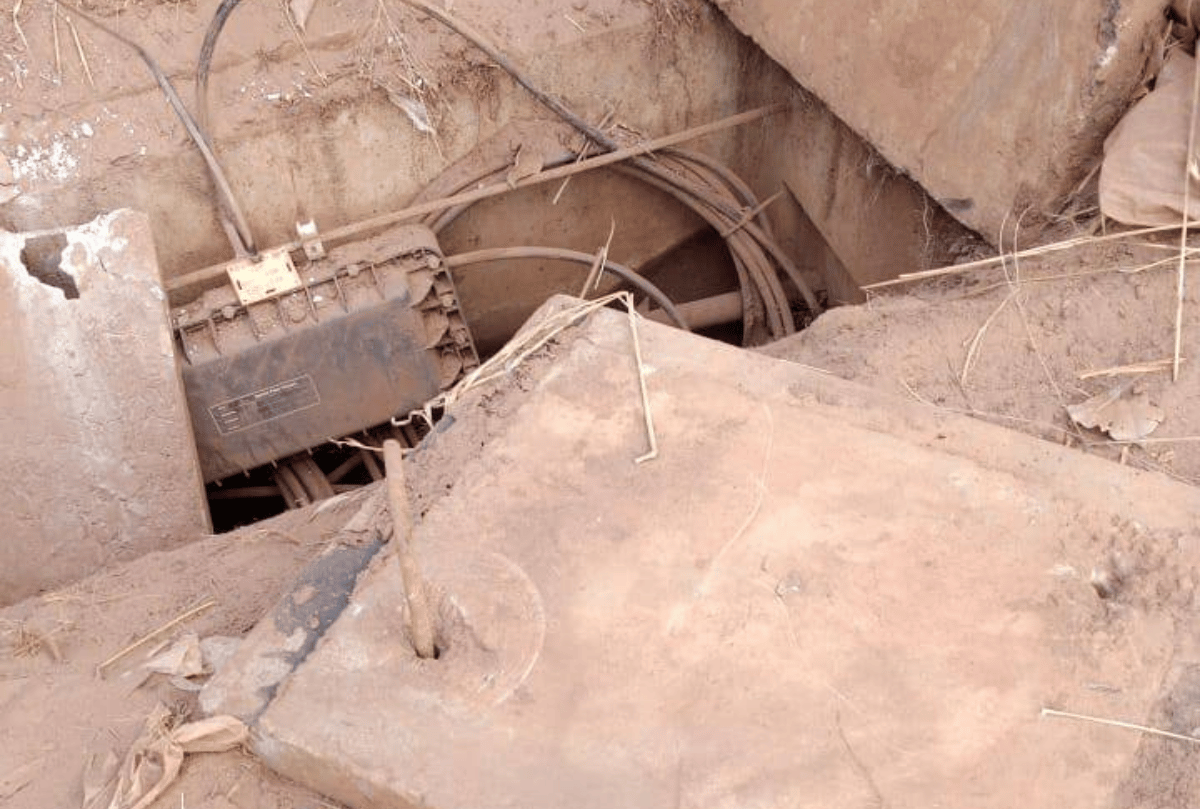
CAR's digital economy ministry reported deliberate cuts to the national fibre network, one on the Bangui to Boali segment and a second on the Carnot to Berberati route, causing a double break and intermittent outages. Similar incidents hit sections run by Cameroon's Camtel, which carry CAR's international traffic. The first cut was repaired while crews were still locating the second, and the ministry called for tighter surveillance of the route.
A presidential decree of 6 March 2026 authorises Cameroon to borrow 1,350,963,161.10 yuan (about CFA108.4bn) from China's Exim Bank for phase IV of the national fibre backbone extension. The loan is meant to carry several thousand kilometres of new fibre into underserved and rural areas. The interest rate, grace period and tenor were not disclosed.
Cameroon's personal data law (Law No. 2024/017 of 23 December 2024) gives organisations an 18-month transition that ends on 23 June 2026, after which the new data protection authority, the APDP, starts full enforcement. Sensitive categories such as biometric KYC and medical data face stricter consent, encryption and storage rules. Penalties include fines up to a significant share of turnover, suspension of processing and possible criminal liability for directors.
Cameroon has finalised an MoU to join the EU-backed Medusa Africa subsea cable led by AFR-IX Telecom and sent it to the Presidency for sign-off. The country's share is put at CFA32.8bn (about US$58.6m), and a Kribi landing would give it a fifth international route alongside SAIL, WACS, SAT-3 and NCSCS, with Medusa due live in 2028. The catch: Camtel uses only around 16% of the capacity on its existing cables.
Presenting a national data centre study in Yaoundé on 22 May 2025, the head of state IT agency CENADI said Cameroon has no data centre certified Tier III. Her main reason is power: sites rely on a single utility, Eneo, and generators count only as backup, not as a second independent source. CENADI wants green energy investment, a shared national cloud across public and private operators, and faster implementing decrees for the 2024 data protection law.