Enterprise estimates Egypt's installed data centre IT load at 15 to 60MW, with only about 20MW of new capacity firmly committed against 400 to 500MW of unfunded plans, as officials aim to finish a first national data centre strategy by end-2026. It argues Gulf insecurity after strikes on regional data centres may favour Egypt, but flags gas-dependent power, US approval for Nvidia chips and data protection guarantees as hurdles. The Electricity Ministry expects the telecom sector to need about 1GW over two years.
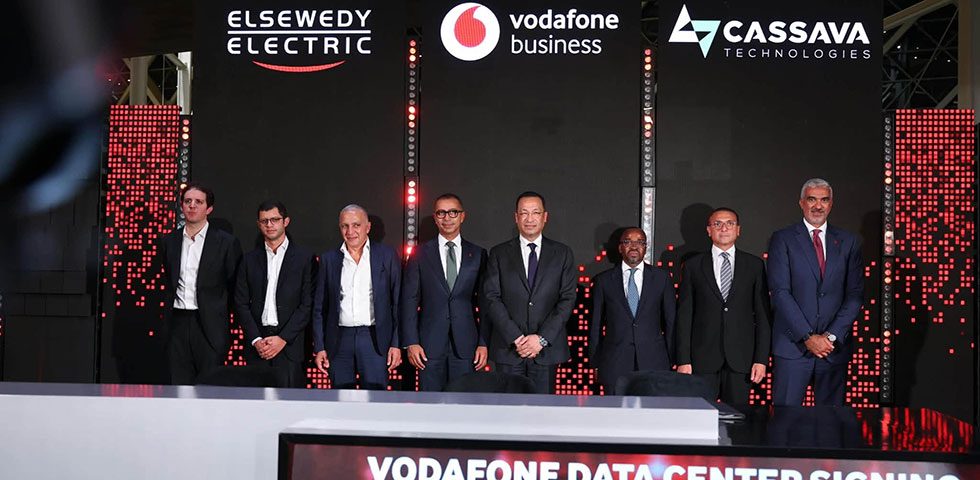
Vodafone Business, Elsewedy Electric and Cassava Technologies are forming Africa Data Centers Egypt, starting at 20MW and planned to grow to 200MW for AI workloads. ICT minister Raafat Hindy expects about US$200m in the first phase rising to US$1bn at full build, with Elsewedy bringing energy and construction capability. The minister also said a national data centre strategy is being prepared.
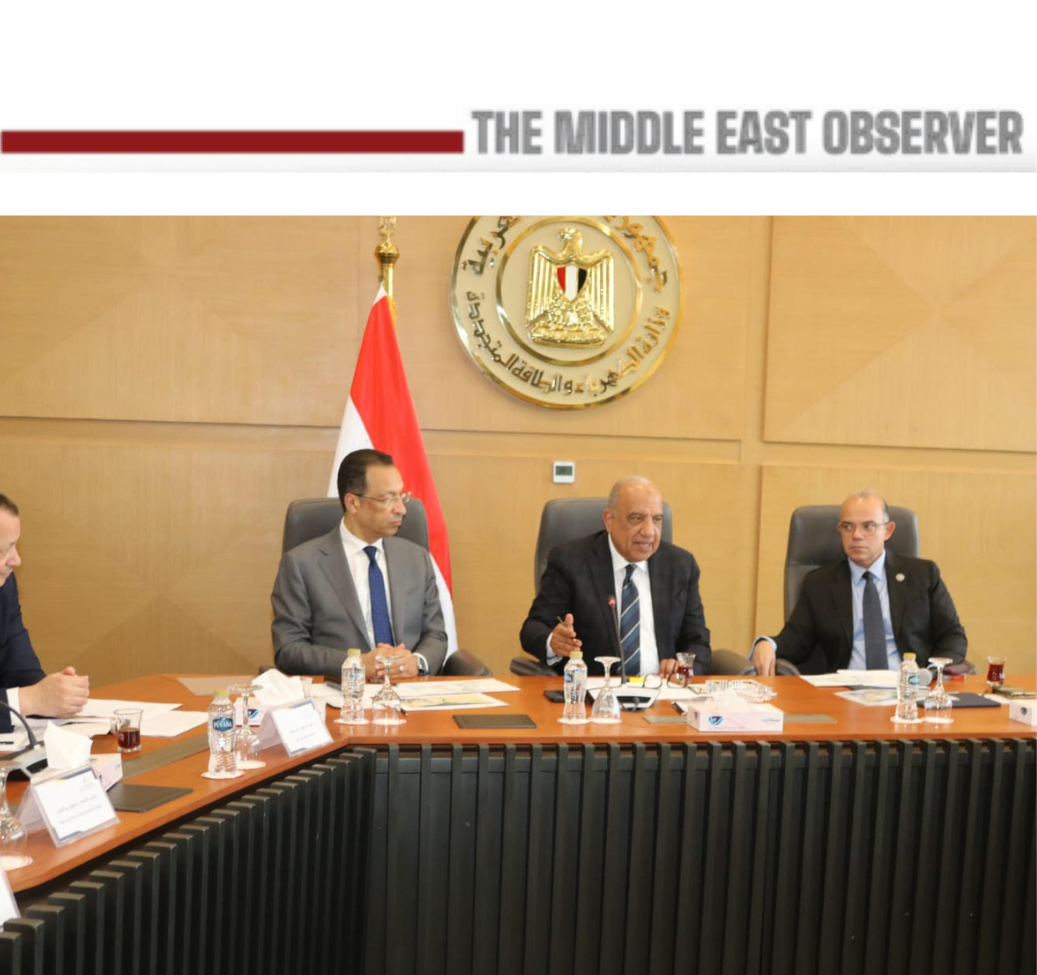
ICT Minister Raafat Hendy met Heka Data and a US consortium of data centre developers to discuss a combined data centre and AI hub, with NTRA, ITIDA and Telecom Egypt officials present. Talks covered scope, phasing, investment and streamlining approvals, and stressed matching the build with reliable power supply. No capacity, investment figure or timeline was disclosed; the parties said they would move on to studies.
Telecom Egypt has contracted Power Sub Link to build a repeaterless cable of about 200km from Sharm El Sheikh to Taba, extending its Red Sea festoon into one subsea route linking Suez, Zafarana, Ras Ghareb, Sharm El Sheikh and Taba. The operator cites about five petabits per second of capacity and a ready-for-service date in Q4 2027. It adds landing options and redundancy for Asia-Europe traffic crossing Egypt.
Telecom Egypt's board has dropped the sale of a 75% to 80% stake in its Regional Data Center Hub to Helios Investment Partners, a deal valued at US$230m when announced in September 2025, saying term-sheet conditions were not met. It will instead move the hub into a wholly owned data centre subsidiary. The Cairo campus opened in 2021 at 2.5MW, a second phase takes it to 7.1MW and two more phases are planned to reach 16.3MW.
Three ministries are jointly building an investment map of sites suitable for large-scale facilities, leaning on a renewable build-out targeted to reach 45% of the energy mix within two years. The strategy is explicitly about becoming a regional hub rather than only serving domestic demand.
The National Telecommunications Regulatory Authority granted Hassan Allam Digital Infrastructure a licence to build and operate data centres and sell cloud services, with $400m committed to the first phase. It is the tenth such licence issued in two years, aimed at serving government and enterprise demand onshore.
Balancing Act's African Interconnection Report, commissioned by WIOCC, finds planned carrier-neutral data centres in sub-Saharan Africa fell from 38 to 23, while existing facilities slipped from 75 to 72 and country coverage stalled at 21. It blames smaller operators struggling to sign tenants, weak francophone demand outside Cote d'Ivoire, financing tied to sales milestones, and delays from governments and elections, while consolidation grows. The report also says the Microsoft and G42 Kenya project was pushed back after seismic issues at its Rift Valley site and may move to Nairobi, and that large Nigerian builds have yet to turn into orders.
Cassava Technologies has put its first Nvidia-based AI factory into service inside its South African data centres and plans further AI infrastructure in Nigeria, Kenya, Egypt and Morocco. South Africa's CSIR is an early user, and Cassava says it will offer local-language services starting with Swahili before adding Zulu and Afrikaans. The rollout sits on its CAIMEx model exchange launched in November 2025; Nvidia is also an equity investor in Cassava. No investment figure or GPU count was disclosed.
The two are planning a $250m facility at Maadi Technology Park with about 25MW of IT load, which would be the country’s first hyperscale-class site. It marks Gulf operator capital entering the Egyptian market directly rather than through a local reseller.
The pan-African infrastructure investor took a 42.9% stake in Raya Data Center, alongside $10m from Raya Information Technology, to fund a greenfield Tier III site in Egypt. Raya already runs two Tier III facilities in Cairo, and construction on the new one was set to start in early 2025.