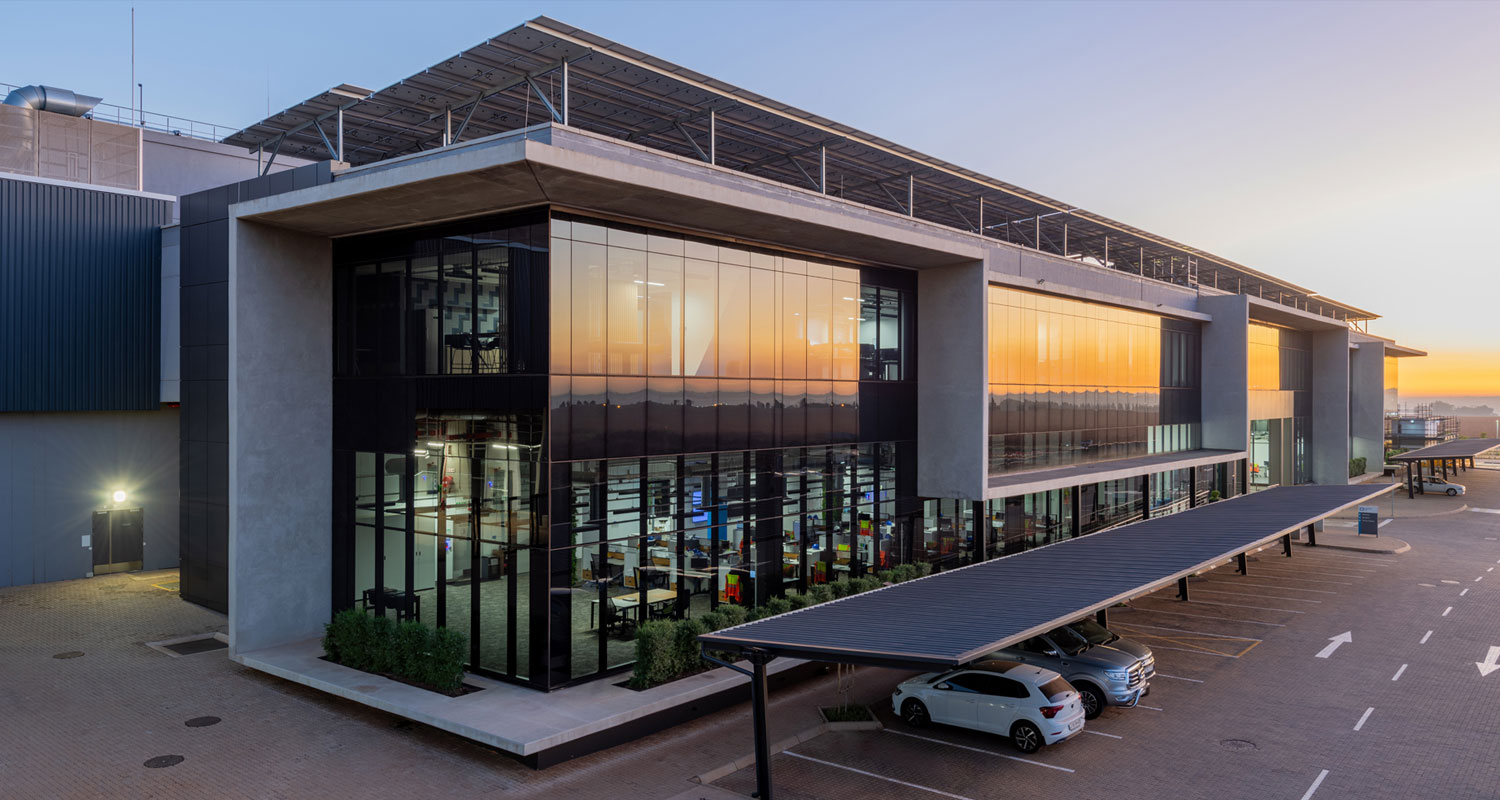
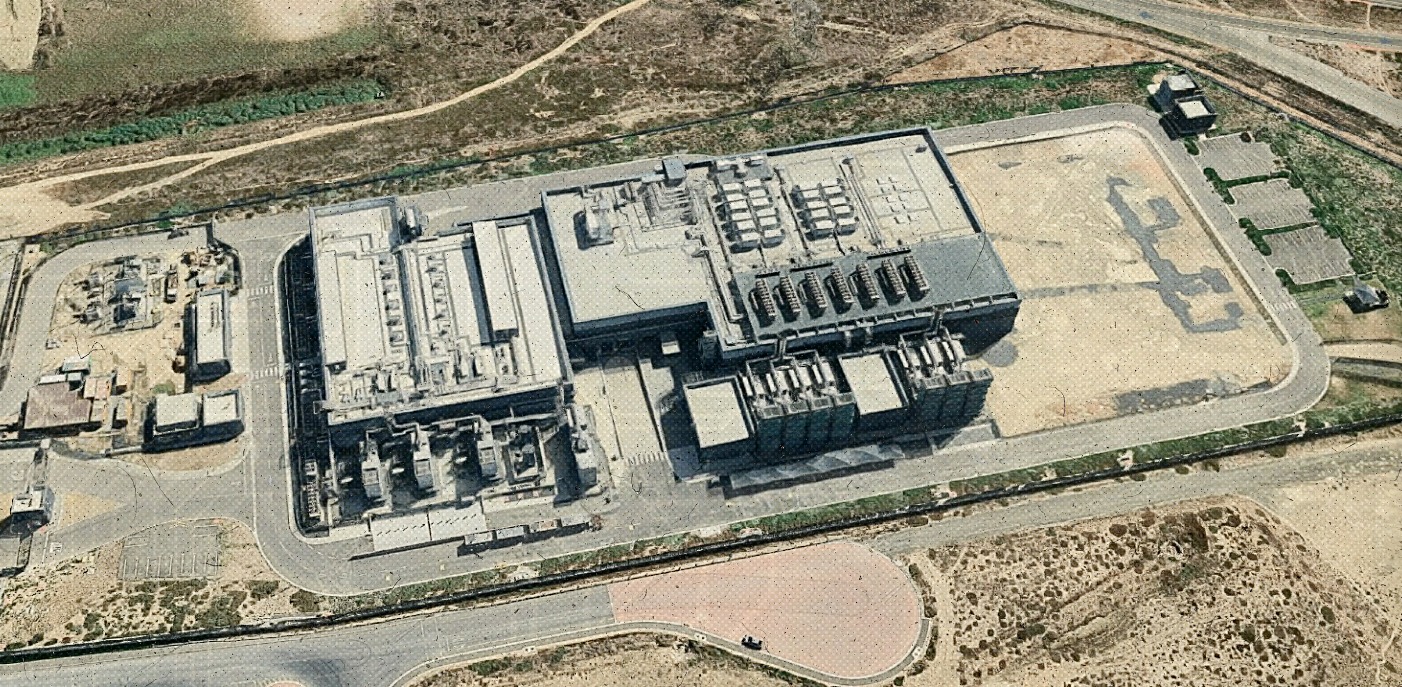
Teraco, controlled by Digital Realty, is buying vacant industrial land with existing substation infrastructure in Brackenfell, next to its 50MW CT2 campus. The Competition Commission has recommended unconditional approval, with the Tribunal still to rule. The price was not disclosed and Teraco says it has not settled plans for the site.
Orange has announced ReuNION, a 16-fibre-pair cable of about 320Tbit/s linking La Reunion to the South African coast, costing about EUR93.1m with EU, French state and operator funding, and due for service in 2028. It is meant to replace the Safe cable, in service since 2002 from Melkbosstrand and Mtunzini via Mauritius to Asia, which Reunion operators expect to reach end of life from 2027. Orange has not named the South African landing site.
Teraco's 2026 sustainability report puts its 2025 water usage effectiveness at 0.03 litres per kWh, against 0.95 for Equinix and a US average of about 1.8 cited from Lawrence Berkeley research. The operator says total water use fell from 38,330kl in 2023 to 31,801kl in 2025 while its IT capacity doubled, crediting closed-loop dry and free-air cooling. The figures land as water use has become a flashpoint in South African data centre approvals.
The South African Human Rights Commission opened an inquiry in May 2026 into the rights implications of data centre growth. The Climate Justice Coalition called for a halt to new builds over electricity, water and land pressure, while ISPA argued local facilities use far less water than global averages and that new load could help Eskom, which now faces surplus supply.
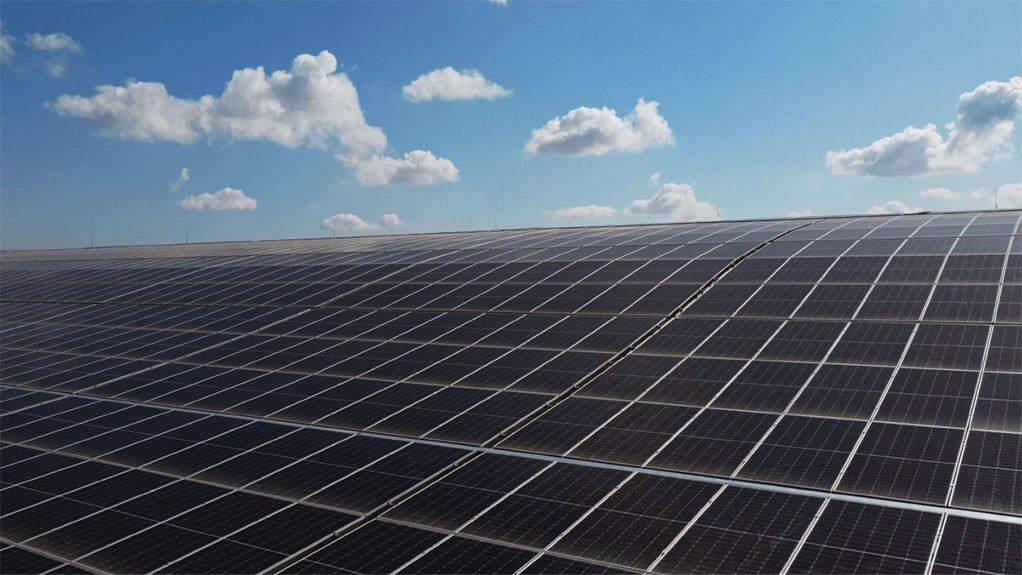
Eskom's chairman says the utility has surplus power it cannot sell and is courting US tech firms, but Teraco argues the binding constraint is grid access and wheeling rather than generation. Teraco, at roughly 189MW of critical load, has a 120MW solar plant due for commissioning in Q4 2026 plus NOA wind PPAs, expects new renewables to cover over half its use by end-2027, and wants Eskom to carry power it contracts elsewhere. Any data centre tariff class would need Nersa approval after public consultation, and Teraco expects local AI demand to be mostly smaller inference clusters.
Equinix is taking its Johannesburg 1 site in Germiston, opened in 2024 on a $160m investment, from 4MW to 24MW through two further 10MW phases, with the facility designed for AI loads including liquid cooling. The company has set aside R7.5bn for South Africa overall and bought more land in Johannesburg and Cape Town earlier in 2026, though its local MD says nothing is being built on those plots yet and further capacity depends on customer demand.
The City of Cape Town has cleared two hyperscale campuses drawing roughly 174MW combined, among the largest new individual loads on the African grid. The approvals land against McKinsey projections that continental installed capacity grows from about 0.4GW today to 1.5–2.2GW by 2030, needing an estimated $10–20bn of investment.
South Africa hosts about 70% of Africa’s data centres and has drawn commitments from Microsoft and Amazon, with the market expected to roughly double to $5bn by 2031. Reuters reports the build-out is colliding with the country’s electricity and water constraints, raising the question of whether new load competes with households already exposed to outages and drought.
President Ramaphosa wrote that the state is building its own cloud capacity through institutions such as the CSIR to reduce dependence on global providers, while welcoming more than R35.8bn invested by AWS, Microsoft and Google in local cloud and data centres. He framed digital sovereignty around control of sensitive data rather than borders. MyBroadband notes the earlier State Digital Infrastructure Company plan collapsed and is sceptical of the state's record on broadband projects.
Balancing Act's African Interconnection Report, commissioned by WIOCC, finds planned carrier-neutral data centres in sub-Saharan Africa fell from 38 to 23, while existing facilities slipped from 75 to 72 and country coverage stalled at 21. It blames smaller operators struggling to sign tenants, weak francophone demand outside Cote d'Ivoire, financing tied to sales milestones, and delays from governments and elections, while consolidation grows. The report also says the Microsoft and G42 Kenya project was pushed back after seismic issues at its Rift Valley site and may move to Nairobi, and that large Nigerian builds have yet to turn into orders.
Equinix plans more South African data centres under a R7.5 billion (US$438 million) programme pitched at AI demand, having bought further land in Johannesburg and Cape Town totalling 327,000 square metres. The company plans 160MW of additional capacity in the country and funds its South African build from its own balance sheet. Across Africa it reports 409MW operational and 172MW under construction, and it opened a purpose-built Lagos site at the end of 2025. No completion dates were given; the figures come from an Equinix interview with Bloomberg.
Cassava Technologies has put its first Nvidia-based AI factory into service inside its South African data centres and plans further AI infrastructure in Nigeria, Kenya, Egypt and Morocco. South Africa's CSIR is an early user, and Cassava says it will offer local-language services starting with Swahili before adding Zulu and Afrikaans. The rollout sits on its CAIMEx model exchange launched in November 2025; Nvidia is also an equity investor in Cassava. No investment figure or GPU count was disclosed.
eThekwini council has voted to sign a memorandum of agreement with a Korean power consortium, believed to involve Korea Southern Power, to study a 400MW AI data centre on a 5ha plot at the Lovu River mouth near the Amanzimtoti cable landing station. Estimated at $3bn to $10bn, with the city supplying land and infrastructure and the partner funding the build, it would be roughly a quarter of Durban's current 1,600MW demand and targets operation in 2027/28. The city stresses only feasibility work is approved; power source, cooling water supply and tariffs are undecided, and DA councillors abstained pending environmental and public process.
Open Access Data Centres, part of WIOCC Group, has bought seven NTT DATA facilities in Bloemfontein, Cape Town, East London, Bryanston, Parklands, Gqeberha and Umhlanga, closing on 31 December 2025 after Competition Commission approval. The deal is a sale and leaseback: OADC owns and runs the buildings while NTT leases them back and keeps its customers. It takes OADC's South African capacity past 25MW; terms were not disclosed.
National Treasury has elevated data centre infrastructure to the same strategic tier as electricity, ports and transport, and is examining incentives to support the build-out. Around 55 facilities are already operating, with more than R50bn of investment expected over three years as Microsoft, Google and AWS expand cloud and AI capacity in the country.
Cavaleros has plans for 360MW in Cape Town and 200MW north of Johannesburg, while Teraco is targeting 500MW in total, 290MW of it new in Johannesburg. Together the announced pipeline adds roughly 1,000MW to national demand, about one stage of load shedding, and points to a supply squeeze by 2029 unless generation grows with it.
South Africa's Competition Tribunal has unconditionally approved STANLIB Infrastructure Fund II taking a stake in Cassava's Africa Data Centres South Africa, following Competition Commission approval in January. STANLIB would hold joint control with an option to move to sole control later; the size of its investment was not disclosed. Africa Data Centres runs nine facilities across six African countries for about 400 enterprise and hyperscale customers.
Djibouti Telecom plans a 3,200 to 3,500km southern extension of the DARE1 subsea cable from Mombasa to Mtunzini in South Africa, with landings at Dar es Salaam and Mtwara in Tanzania, Nacala, Beira and Maputo in Mozambique, and Mahajanga and Toliary in Madagascar. The existing system, live since 2021, links Djibouti with Bosaso and Mogadishu in Somalia and Mombasa at 36Tbps over three fibre pairs. Work is slated to start in 2026 with service targeted for 2028.
Teraco began construction of JB7, a 40MW critical-load facility on its Isando campus in Ekurhuleni, funded through an R8bn syndicated loan and due to open in 2026. It takes the campus to about 110MW and uses a zero-water cooling design, which matters in a market where the water constraint is as binding as the power one.
Paratus completed a 1,890km link from Johannesburg to Swakopmund through Botswana, connecting into the Equiano cable it lands in Namibia and giving 123ms to Lisbon. It is an alternative to routing everything through Cape Town, which is what turns a landing station into a transit position.