Algeria's post and telecommunications minister laid the foundation stone for a government-owned AI data centre in the Akid Lotfi district of Oran. No capacity or cost figures were released; the facility is meant to give researchers, startups and universities access to AI compute. The government says it expects AI to contribute 7% of GDP by 2027.
CAR's digital economy minister Roger Andjalandji proposed creating a local internet exchange point at a network resilience session on the sidelines of the ITU Plenipotentiary Conference in Doha on 10 November 2026. The country has had no IXP since at least the World Bank's 2020 assessment, and the Bank says one could cut international bandwidth costs by up to 50%. He also called for more diverse regional fibre routes and better integration of satellite and terrestrial networks.
Mozambique's Decree 71/2025 on data centres and Decree 72/2025 on cloud computing require providers to be licensed and to keep primary data centres inside the country, while backup and disaster recovery sites may sit abroad if they meet continuity standards. Nigeria's national cloud policy instead takes a risk-based approach keyed to data sensitivity. CIO Africa notes a company active in both markets could face different obligations under one cloud contract.
A Central Bank of Nigeria circular issued in June 2026 requires banks, fintechs, mobile money operators and other payment service providers to store and manage payment transaction data generated in Nigeria inside the country, with full compliance due by 1 January 2027. A NITDA and CBN survey cited by Nairametrics found only 59% of financial institutions ready, and smaller payment firms and microfinance banks may miss the date; the CBN's payments supervision director said sanctions will follow deliberate non-compliance. Local operators Digital Realty Nigeria and Rack Centre are positioning for the migration, with Digital Realty arguing the rule should cover where data is processed, not only where it is stored.
Gabon launched 5G on 26 October 2026, with Moov Africa Gabon Telecom and Airtel covering Libreville, Akanda, Owendo and Port-Gentil, and Airtel also Ntoum, while regulator ARCEP demanded firm service commitments. The report lists the underlying weaknesses: backbone gaps in several provinces, an August 2026 fibre break, copper theft, outages blamed on load shedding, and a May 2026 fault on the ACE Libreville to Sao Tome segment that left three of four submarine systems working.
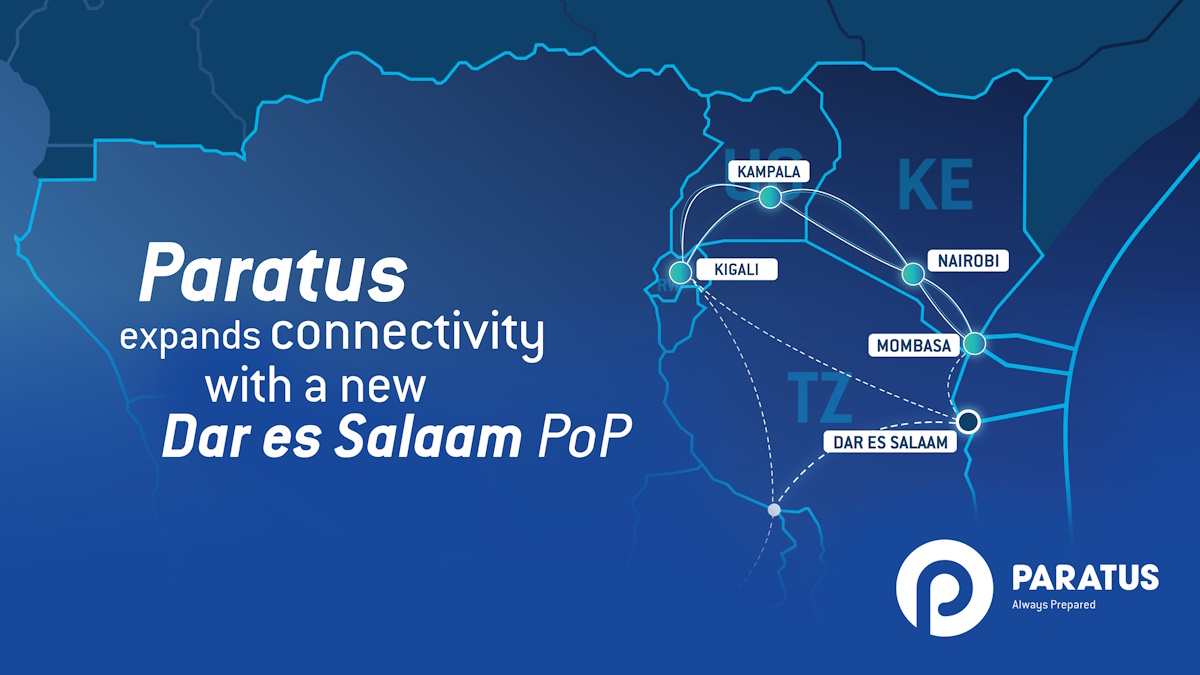
Paratus Tanzania set up a point of presence at Wingu's Dar es Salaam data centre in September 2026, linking Tanzania into the Paratus network north to Nairobi via Mombasa, south to Maputo and Johannesburg, and onward to Europe and the US. The company says the POP supports its Kigali-Mombasa fibre strategy and gives access to international subsea capacity for IP transit, Layer 2 and wholesale services. This is a company-issued release and no investment figure was disclosed.
South African investor INFRAGORA Global Capital plans two Tier III+/IV AI-ready data centres in Nigeria under its AFRIDATA platform, costing US$650 million to US$1 billion, with 80MW to 100MW of initial capacity and construction from Q2 2027. A 160MW to 200MW gas, renewables and battery plant from sister company Ocha Energy would supply them, and USTDA is funding a feasibility study. Investors, funding secured, tariffs and a financial close date were not disclosed.
Mali's state transmission company SMTD-SA and Sénégal Numérique SA switched on a fibre interconnection between their national backbones at the Kidira-Diboli border crossing on 5 October 2026, giving the landlocked country another path to subsea cables, which Malian authorities say runs via Cabo Verde and Portugal. Ecofin sets this against World Bank findings from 2023: Mali already had 12 cross-border fibre links through seven exit points, yet 29 of its 57 cercles and 130 of 704 secondary towns were not connected to the national backbone, which SMTD puts at 3,500km. The new route adds resilience at the border, while reach inside the country remains the weak point.
Teraco, controlled by Digital Realty, is buying vacant industrial land with existing substation infrastructure in Brackenfell, next to its 50MW CT2 campus. The Competition Commission has recommended unconditional approval, with the Tribunal still to rule. The price was not disclosed and Teraco says it has not settled plans for the site.
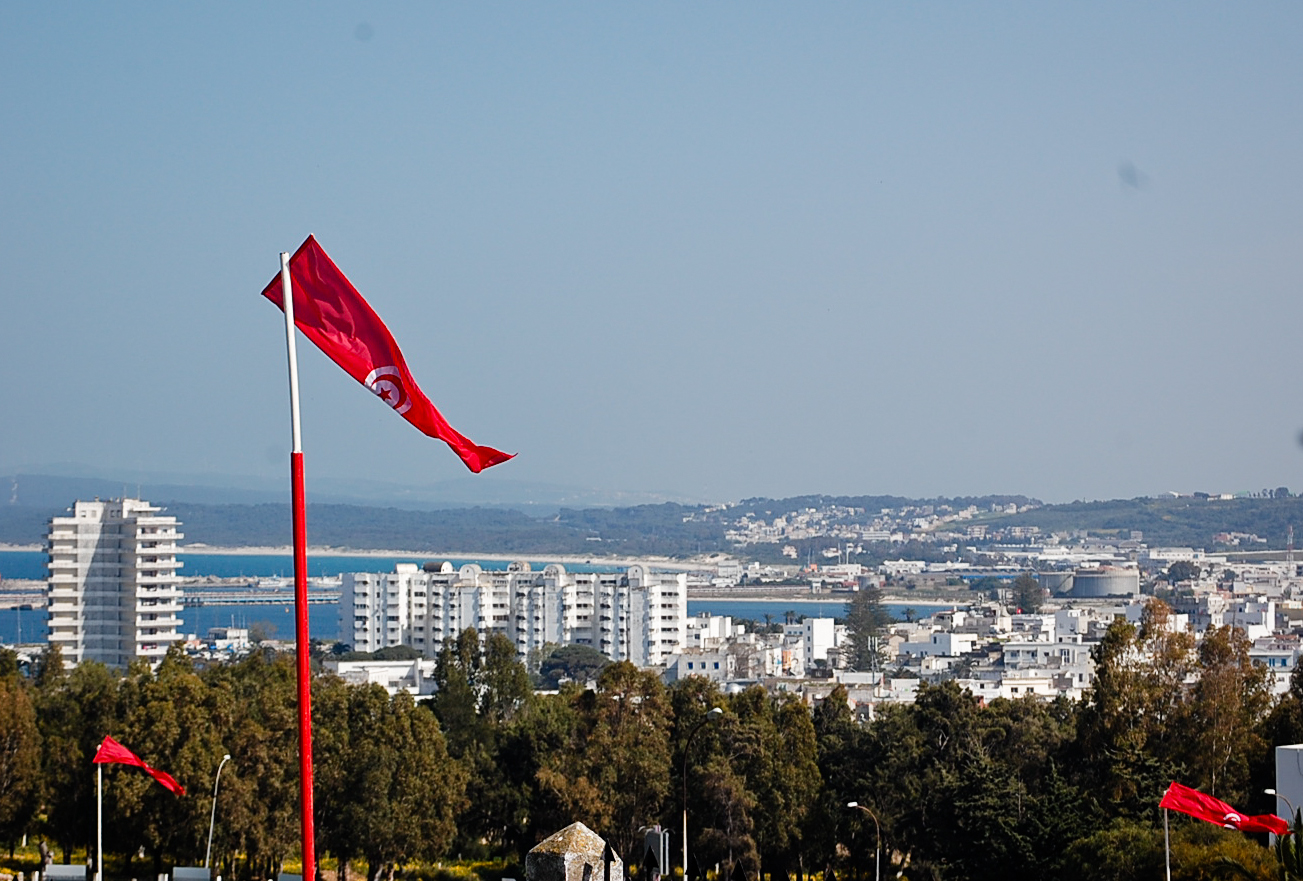
London-based SoleCrypt announced at NVIDIA GTC Berlin a 40MW AI and HPC campus in Bizerte, targeting operations in 2028. Phase 1 is 7MW built around NVIDIA HGX Rubin NVL8, with up to 1,728 GPUs, and the company says power will come from a dedicated 60MW solar and battery project in Tozeur feeding the national grid. The site sits 3.6km by fibre from the Medusa cable; Schneider Electric, Supermicro and Sterling & Wilson are among named partners, and no cost was disclosed.
Uganda's ICT ministry has launched a National Data Strategy for 2026/27 to 2030/31, developed with UN Global Pulse and UNDP, that targets two Tier IV data centres with 10 petabytes of combined sovereign storage by 2030/31. It also aims to raise government platforms linked through the Ug-Hub integration layer from 135 to 300. The plan is costed at shs1,662.6 billion over five years, funded mainly through government budgets plus partner support and private co-investment, and is meant to lay groundwork for a national AI strategy.
Enterprise estimates Egypt's installed data centre IT load at 15 to 60MW, with only about 20MW of new capacity firmly committed against 400 to 500MW of unfunded plans, as officials aim to finish a first national data centre strategy by end-2026. It argues Gulf insecurity after strikes on regional data centres may favour Egypt, but flags gas-dependent power, US approval for Nvidia chips and data protection guarantees as hurdles. The Electricity Ministry expects the telecom sector to need about 1GW over two years.
 Algeria